We're sure that nowadays you've heard at least once, even fleetingly, about Aloe or Aloe juice and its "miraculous properties," so much so that it's present in many product categories (in fruit juices, diapers, mattresses, in pharmacies, at bars, and at discount stores).
This indiscriminate use, mainly for commercial reasons, discredits and belittles this fabulous resource, diverting consumers from its true use.
However, if this is a new topic for you, if you've never heard of it, you're in the right place to learn more about the uses of aloe juice and its properties.
We try to shed some light on a sea of misleading information that often misleads aloe enthusiasts or those just starting out.
Aloe has a millennia-old history and has always been considered a kind of "natural healer*." It played a key role in the pharmacology of many ancient civilizations , including the Egyptians, Assyrians, Indians, Mayans, and Romans. In 1862, George Ebers discovered, on an Egyptian papyrus dating back to 1500 BC, one of the most detailed accounts of how much Aloe had been known since ancient times. A series of formulas for its use (mixed with other natural products) were documented, as well as a list of the plant's countless properties for treating various ailments.
Here is a list of the main properties of Aloe*:
- Recognized antioxidant and anti-aging properties[1]*
- Clear antibacterial, antifungal and antiviral properties[2]*
- Specific anti-inflammatory and pain-relieving properties[3]*
- Characteristic healing properties and stimulation of epithelial growth (cell regeneration)[4]*
- Surprising immunomodulatory and immunostimulant properties[5]*
- Gastrointestinal tonic and gastro-protective activity[6]*
- Unique hypoglycemic properties[7]*
- Possible anti-tumor properties[8]*
If you're curious to learn more about all the properties of aloe vera, this article analyzes its benefits in detail. Click here to read it.
If you're new to Aloe, or even an expert, you've probably heard that Aloe is good for everything. This myth has been created that Aloe is the cure-all.
Aloe contains over 300 active ingredients, which is why it has earned the title of queen of phytotherapeutic plants.
In nature, no other plant has such a high number of active ingredients that allow for its universal use in various pathologies, but not in all!
You will often hear or have heard people say: "Take Aloe, it's a natural product so it won't do any harm."
You may have heard it from someone who wants to sell you the product at all costs, or from someone who honestly believes that since it's a natural, herbal product with no chemicals, it won't cause any unwanted effects.
For many people the equation natural = harmless applies.
Natural is certainly not synonymous with harmless, one must be careful of the possible interactions between Aloe and the organism (drugs, supplements, foods, etc...)
The fact that natural remedies can interact, which can have a positive impact, is a clear sign of their effectiveness and functionality.
If you take Aloe as a preventative measure, that is, to drastically reduce the risk of getting sick, there are no contraindications.
If you have a specific medical condition and are taking medication, we recommend consulting your doctor.
A comprehensive list of the components present in the Aloe leaf and its benefits can be read in this article =>click here<=
What is aloe juice used for and what are its properties?

The active ingredients contained in Aloe juice, if used correctly, have a healthy effect on the entire organism.
Let's start by analyzing the beneficial effects on the digestive system[9]*.
Stomach:
The presence of mucopolysaccharides, very rich in Aloe Arborescens, allows for the development of:
– Effective protection of the stomach mucosa from the high acidity of gastric juice.
– An effective healing action on gastric and duodenal lesions, also inhibiting the development of Helicobacter pylori.
– An anti-inflammatory action with a soothing effect on gastritis and esophagitis.
Intestine:
The properties of Aloe juice for the intestine are a godsend, in fact they constitute an excellent remedy against:
– Intestinal laziness and constipation, increasing intestinal peristalsis and having a purifying, liberating effect thanks to the presence of anthraquinones.
– Diarrhea: Contrary to popular belief, aloe vera can resolve this condition due to its purifying properties, thanks to its antibacterial, antiseptic, and anti-inflammatory active ingredients, restoring stomach function.
How is it possible that aloe juice is excellent for both constipation and diarrhea? Because it contains active ingredients that are useful for combating both conditions, this is one of the most fascinating characteristics of herbal medicine.
Having analyzed the digestive system, let's move on to listing the beneficial effects of Aloe juice on the cardiovascular system[10]*:
Taking Aloe (it is recommended to always take extracts made with Aloe Arborescens, as it has a higher concentration of active ingredients than the more common Aloe Vera. To find out why Aloe Vera is good, but Aloe Arborescens is better, just click here ) allows you to obtain enormous benefits for the cardiovascular system.
Aloe's unique composition, which contains high amounts of dietary fiber, vitamins, antioxidants, polyunsaturated fatty acids, and trace elements, is useful for effective prevention and improvement of the optimal ratio between HDL and LDL cholesterol, counteracting dangerous fatty deposits in the arteries.
The final effect is that of a purification with elimination of toxins, moreover Father Romano Zago, the main popularizer in the world of the recipe for the Aloe Arborescens juice preparation , states that:
“This remedy acts like a broom to clean the blood thoroughly”
It's the perfect way to reboot your body and start improving your overall health.
Benefits on the immune system[11]*:
The recognized and scientifically demonstrated immunostimulating and immunomodulating properties of Aloe are due to the presence of active ingredients that help strengthen the immune system, one above all being acemannan.
– It is the progenitor of carbohydrates, plays an important role in the gastrointestinal system and strengthens the immune system . It produces an immune response that stimulates cells against external attacks from various factors such as viruses, bacteria, and seasonal allergies.
A complete and detailed list of all the active ingredients present in Aloe juice that help strengthen the immune system can be found here.
By taking Aloe, your immune system will immediately be stronger and therefore able to defend you from external threats.
The benefits of Aloe on the respiratory system[12]*
Thanks to the germicidal action of some anthraquinones, combined with the soothing and healing action of mucopolysaccharides and plant sterols, Aloe proves to be a highly effective remedy against allergic rhinitis.
If you suffer from allergic rhinitis, we recommend taking Aloe before the spring season (January-February) and you will see that during the pollen season your discomfort will be drastically reduced.
NB: Don't use aloe vera if you already have rhinitis; in this case, the remedy won't work. You need to act preventively.
The antitumor action of Aloe[13]*
It is also used to counteract physical weakening caused by chemotherapy treatment.
Several scientific studies and research by oncologists have been conducted that demonstrate the anti-tumor properties of Aloe juice.
To read and learn more about this topic , click here.
We can conclude by stating that Aloe has excellent detoxifying* and purifying properties, promoting liver, kidney, and overall body function. A body free of accumulated toxins caused by psychophysical stress, environmental pollution, poor nutrition, a hectic lifestyle, an inappropriate diet, and lack of sleep is certainly better able to defend itself and maintain overall good health, better preserving both its body's defenses and its cellular and tissue repair mechanisms.
We would like to underline the fundamental importance of the beneficial effects of Aloe Arborescens also in prevention.
Unfortunately, we all tend to underestimate the importance of prevention in our daily lives.
You can compare your body to a car: it may have the best performance available, but if it is not checked periodically and not maintained, the engine will fail.
Taking Aloe Arborescens should be part of your daily routine, like treating yourself to a relaxing herbal tea or coffee! It's an investment worth making to improve your quality of life.
How is aloe juice made and most importantly can you really trust that it is 100% pure?[14]*

Aloe juice gives rise to a multitude of cosmetic, cosmeceutical and even pharmaceutical derivatives capable of taking complete and efficient care of the body.
Like all raw materials boasting prestigious qualities, aloe has also lent itself and will continue to be exploited by companies that, exploiting its success, use paltry quantities to sell low-value products. Some of these don't even produce 100% pure juice.
They purchase the raw material in batches of dubious quality, offering a final product whose aloe content is only expressed on the label or detected with micrometric instruments. Aloe produces a watery juice with a viscous consistency, consisting of 95-97% water. This percentage, which is the average for global production, cannot be taken as a reference value for determining its quality.
The location of cultivation, the spraying of the crops and the strain of the plant can cause this variable to oscillate to extremes ranging from 93% to 97%.
In recent years, several "prankster" South American producers have thought of watering their plantations intensively before harvesting, managing to legally obtain almost triple the harvest and consequent profits after pressing!
Furthermore, the active ingredients in the juice, being in an aqueous solution, exhibit considerable instability, resulting in "molecular breakdown" phenomena over time, thus reducing their quantity in the juice itself. This means that, over time, the active ingredients in aqueous aloe vera decrease.
This last piece of information makes you understand how it is practically impossible to standardize a 100% pure Aloe juice expecting that the active ingredients will not reduce over time.
Products from European crops are far superior to those from the rest of the world.
The reasons supporting this thesis can be traced back to two:
1) Production control that takes place at a bureaucratic level within the EU.
2) A less sophisticated production method than that of North American or Australian competitors who often proceed easily and superficially with mutilating production processes, such as filtering, watering down and even pasteurisation.
Before choosing an Aloe-based product, you must make sure of the actual content of active ingredients inside it in order to avoid buying "fresh water".
Turning to large manufacturers who also boast 100% pure aloe juice for internal use in their catalog may be an insufficient guarantee.
How do you know if it's 100% pure aloe juice?
Quality control of 100% pure juice is difficult and, in some cases, practically impossible. Furthermore, national laws on fruit and vegetable juices do not help clear up the confusion.
Thus, in some countries, especially in Europe and America, the term "pure Aloe juice" can be used by introducing, for example, only 15% Aloe into the product and then reaching 100% simply by adding good, healthy, thirst-quenching water!
NO, we are not telling you a lie!
How is such a thing possible? Due to the superficiality and substantial loopholes in the legislative system of some countries, including Italy, "100%..." can easily be declared for products such as juices that, even in concentrated form, are derived from a single ingredient. This means that when any juice (aloe, orange, apple) is composed solely of that ingredient in concentrated form, it is possible to include the words "100% pure" even if it only contains 15%.
Some of them, not happy with this, go further, since the 100% writing is not very credible due to the presence of a percentage (1-2%) of preservatives, stabilizers and flavorings, they write, for example, "99% 100% pure Aloe juice", but in that bottle there is actually 99% of 15% real Aloe juice.
All of this is not illegal but it contributes to disorienting, deceiving and misleading the customer.
The quantity of an ingredient must indicate the share of that ingredient in relation to the total ingredients used in the recipe or formulation of the product, and ultimately in relation to the total of the finished product.
Simply put, if you find the words “100% juice” on a 1 litre bottle of Aloe, you should be using 1 litre of Pure Aloe and not the 15% pure Aloe present in that litre.
Reputable companies avoid these dirty bureaucratic games by clearly indicating the amount of Aloe present in the product.
Let's try to be clearer with an example.
Example of a reputable company: If it uses 15% aloe vera juice, it should list "15%" 100% pure aloe vera juice among the ingredients. This is ethically correct.
Likewise, if it contains 99% of it, it should say “99%” in the ingredients list, which finally means what the consumer would expect: a juice that corresponds as closely as possible to the freshly crushed plant.
So how do you know if your aloe juice is really 100% aloe vera?
You can't... you have to turn to companies that make every effort to communicate their transparency and attention to the product—in other words, you have to trust them!
Almost all aloe vera producers produce aloe juice from the inner part of the leaf by removing the peel (cuticle).
By removing the cuticle they are making a serious mistake because scientific studies have shown this to have important phytotherapeutic properties*.
Unfortunately, sometimes, differentiating marketing ideas lead to the creation of products with different characteristics at all costs, to the detriment of the quality and effectiveness of the product itself.
Let us explain better: many manufacturers, to create different products for commercial needs, to eliminate the bitter taste of Aloe, use production processes that eliminate the anthraquinone part of Aloe, significantly weakening this force of nature.
To justify this choice they claim that this is done for “consumer safety reasons” because inside Aloe there is a toxic part (Aloin) that must be eliminated.
The topic of aloin is a hot topic in the world of aloe. If you want to find out the truth, all you have to do is read this article by clicking here.
The new frontier of Aloe processing and consumption

Recent studies and research have highlighted how the external part of the leaf (cuticle), generally discarded until a few years ago, is full of molecules with extraordinary phytotherapeutic capacities such as detoxifying, antibacterial, antiviral, antitumor and antioxidant properties[15]*.
The most important antioxidants present in Aloe plants are above all Aloin, but also other unknown molecules (alosone, aloesin, aloeresin, and aloenin) having effects:
- ANTIOXIDANTS: prevent the formation of free radicals, slow down aging, counteract the development of degenerative diseases and mutations in general.
- ANTIMICROBIALS AND ANTIVIRALS: they counteract the growth of microorganisms that are pathogenic to humans and animals
- PURIFYING
Antioxidants are concentrated in the leaf dermis (cuticle) and are very abundant in the Aloe Arborescens species.
All the researchers involved in the study agreed that the numerous therapeutic and pharmacological effects of Aloe, listed above, are due to a SYNERGISTIC action between the different biomolecules and nutritional components concentrated in the WHOLE leaf.
Leaving this extremely high therapeutic potential untapped would be like committing a crime.
Now hold on tight because what I'm about to tell you will project you towards a new vision of Aloe.
There is a method of processing Aloe that is based on exactly the opposite of the processing methods you have read about so far and that uses the entire leaf, including the cuticle.
To ensure you benefit from the over 300 active ingredients present in the entire Aloe leaf and not just the internal gel, there is a cold processing method that extracts all the water from the Aloe leaf.
Yes, exactly. Unlike those who use it to triple the aloe's performance and dilute the product, this method eliminates it, allowing you to benefit only from the active ingredients and at the same time allows you to avoid the use of preservatives, sweeteners, excipients, flavorings, and various additives.
Take only 100% pure aloe.
We are talking about the HDR® method.
Aloe processed with the HDR® method offers incomparable advantages:
1st Advantage:
It is possible to keep all the active ingredients unchanged
2nd Advantage:
Processing aloe with the HDR® method avoids the problems that arise with other conservation methods such as:
- Sterilization (use of high temperatures) destroys a good percentage of active ingredients.
- Pasteurization (using medium temperatures) allows for very limited shelf life (a few days).
- Low temperatures block the activity of microorganisms but they resume as soon as the product returns to room temperature.
- The addition of natural preservatives alters the organoleptic and nutritional characteristics of the product.
3rd Advantage:
What problems does the “ HDR® method” processing method solve?
- Take Aloe avoiding the alcoholic part present in various preparations.
- You don't have to worry about taking in honey or sweeteners present in various preparations.
- You are no longer obliged to take preservatives and additives present in various preparations.
- Do not take flavorings used to mask the bitter taste which in many cases worsen the flavor.
- You can enjoy the benefits of Aloe even when you're out and about all day.
4th Advantage:
Take only 100% pure Aloe, guaranteeing the same effectiveness as the fresh product and a longer shelf life in a completely pure and natural way without resorting to preservatives and various additives.
What form does Aloe taken when processed using the HDR® method?
The result obtained is green Aloe powder defined as “the green powder, elixir of long life”.
But what, aloe powder? Yes, that's right, aloe powder.

If you pay attention to the color, you will certainly notice a lively note, which means that the method with which it was processed respected all the active ingredients within it, without altering their purity.
It has therefore not undergone any filtration, oxidation (reddish/brown colour) or sterilisation process.
Now take a moment to think, because we know what you're thinking: "But what about aloe powder? That's sacrilegious. Aloe must be consumed fresh, otherwise I can't benefit from all its active ingredients."
That fresh preparation is better than powdered is a mistaken belief held by many, due purely to a "psychological issue." This belief has become entrenched over time.
Let me explain. Many people believe that aloe vera syrup is better than powdered aloe vera, but this isn't the case, based on what you've just read. This is also confirmed by comparative analyses of fresh and powdered aloe vera. You can see the comparative analyses in the photo below.

Tests confirm that powdered aloe maintains the same active ingredients as freshly prepared aloe vera, ensuring the same effectiveness but with a longer shelf life, without the use of preservatives and additives . Plus, you can be sure you're getting only 100% pure aloe vera.
NB: with dehydration only the water is eliminated from the leaf and not the active ingredients.
"We can compare Aloe to an orchestra that, with the harmony of all its elements, performs flawless symphonies. Removing the peel or using other procedures to eliminate supposed "harmful substances" only distorts and weakens the effects of Aloe. If one or more elements are removed from an orchestra, it is obvious that the harmony will no longer be the same."
No more Aloe sterilized at high temperatures, no more Aloe pasteurized, no more Aloe dried abroad and reconstituted in Italy with the addition of water and preservatives.
Finally, the joy of being able to enjoy the elixir of long life. Say goodbye to Aloe that has been denatured, modified, or weakened by wicked production processes. Now you have the chance to enjoy the Holy Grail.
At this point the choice is yours, you can use Aloe products similar to fresh water that create and fuel mistrust towards Aloe or use Aloe powder processed with the cold dehydration method obtaining the maximum benefits that will take your body to a higher level of health well-being.
Don't gamble with your health, avoid unnecessary risks, do yourself some good.
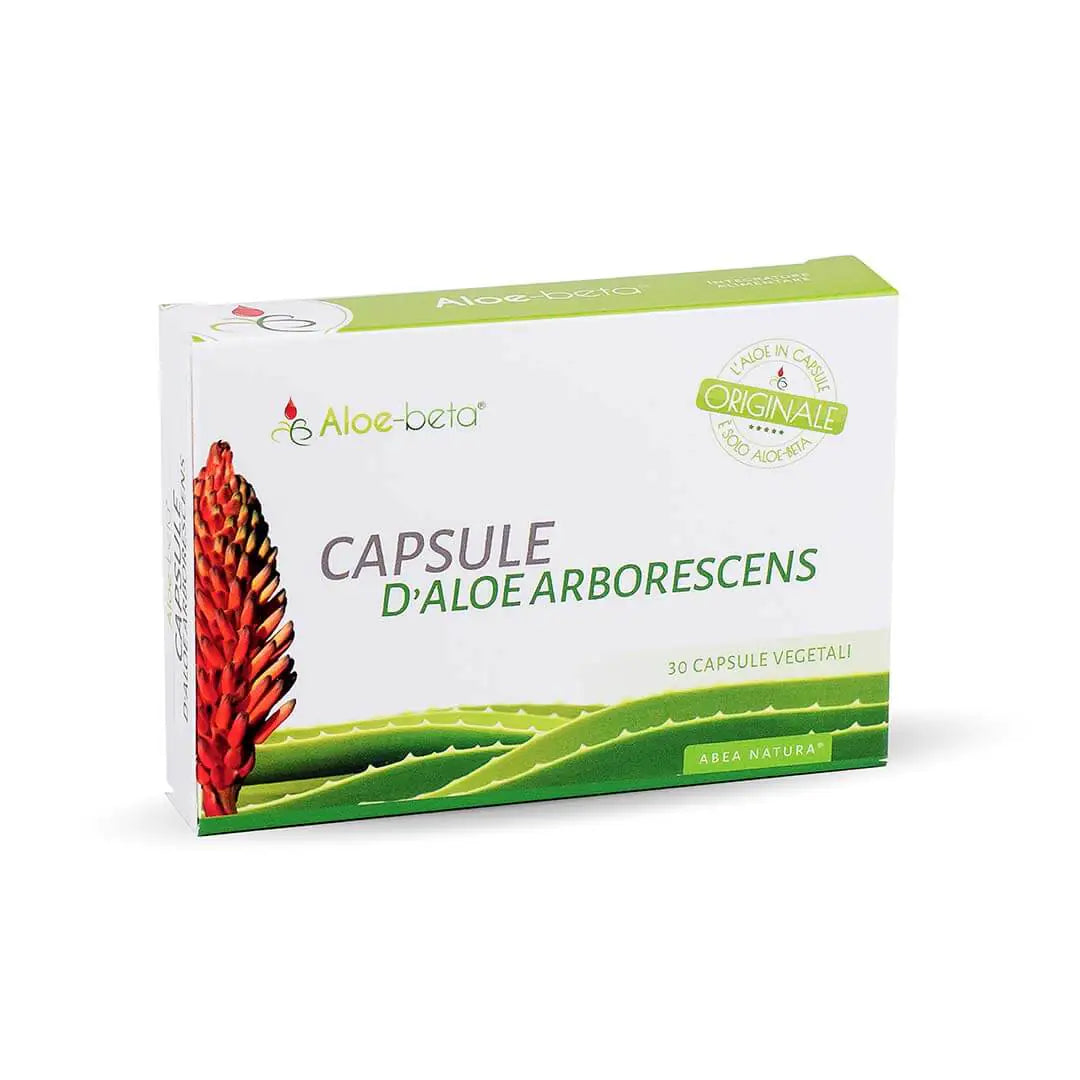
There's a product that meets all these requirements, 100% super concentrated, ready-to-use, and specifically created to immediately unleash a veritable arsenal of benefits for your body. To discover it, simply click the button below.
To your well-being!
[1] Bruce WGG 1975. Medicinal properties in the Aloe. Excels 57-58.
Kodym, A., 1991. The main chemical components contained in fresh leaves and in a dry extract from three years old Aloe Arborescens Mill. grown in hothouses Pharmazie 46, 217-219
[3] Bruce WGG 1967. Investigations of antibacterial activity in the Aloe. South African Journal 41, 984
[4] Yamamoto, M., Masui, T,. Sugiyama, K., Yokota., Nagakomi, K., Nazakawa, H., 1991. Antiinflammatory actives constituents of Aloe Arborescens Miller
[5] Biochemical and Cellular Approach to Explore the Antiproliferative and Prodifferentiative Activity of Aloe Arborescens Leaf Extract
(Blanda Di Luccia,1 Nicola Manzo,1 Maria Vivo,1 Eugenio Galano,2 Angela Amoresano,2 Elvira Crescenzi,4 Alessandra Pollice,1 Raffaella Tudisco,3 Federico Infascelli3 and Viola Calabrò1)
1Department of Structural and Functional Biology, University of Naples 'Federico II', Naples, Italy
2Department of Organic Chemistry and Biochemistry, University of Naples 'Federico II', Naples, Italy
3Department of Zootechnical Sciences and Food Inspection, University of Naples 'Federico II', Naples, Italy
Institute of Endocrinology and Experimental Oncology, CNR, Via S. Pansini, 580131, Naples, Italy
[6] Brossant, J.Y., Ledeaut, J., Ralamboranto, L., Rakotovao, L.H. Solar, S., Gueguen, A., Coulanges, P., 1981. Immunostimulating properties of an extract isolated from Aloe vahombe. Archives Insitut Pasteur Madagascar 48, 11-34
[7] Bland, J., 1985. Effect of orally consumed Aloe juice on gastrointestinal function in normal humans. preventive medicines 14, 152-154
[8] Dr. OP Agarwal – Prevention of Atheromatous Heart Disease, Angiology, The Journal of Vascular Diseases. Antidiabetic activity of Aloe: preliminary clinical and experimental observation. Horm. Res., Vol. 24, no 4, pp. 288-294
[9] I) A Randomized Study of Chemotherapy Versus Biochemotherapy with Chemotherapy plus Aloe Arborescens in Patients with Metastatic Cancer (PAOLO LISSONI1, FRANCO ROVELLI1, FERNANDO BRIVIO2, ROMANO ZAGO3, MASSIMO COLCIAGO4, GIUSEPPINA MESSINA1, ADELIO MORA1 and GIORGIO PORRO1).
1Division of Radiation Oncology, 2Division of Surgery, St. Gerardo Hospital, Monza, Milan; 3Aloe Foundation, Isernia; 4I.NRCA Laboratory of Analysis, Lecco, Italy
II) Biochemical and Cellular Approach to Explore the Antiproliferative and Prodifferentiative Activity of Aloe Arborescens Leaf Extract
(Blanda Di Luccia,1 Nicola Manzo,1 Maria Vivo,1 Eugenio Galano,2 Angela Amoresano,2 Elvira Crescenzi,4 Alessandra Pollice,1* Raffaella Tudisco,3 Federico Infascelli3 and Viola Calabrò1)
1Department of Structural and Functional Biology, University of Naples 'Federico II', Naples, Italy
2Department of Organic Chemistry and Biochemistry, University of Naples 'Federico II', Naples, Italy
3Department of Zootechnical Sciences and Food Inspection, University of Naples 'Federico II', Naples, Italy
Institute of Endocrinology and Experimental Oncology, CNR, Via S. Pansini, 580131, Naples, Italy
III) CANCER THERAPY 23 clinical cases of malignant tumors CURED WITHOUT CHEMO-THERAPY – Nacci Giuseppe (2013)
[10] Bland, J., 1985. Effect of orally consumed Aloe juice on gastrointestinal function in normal humans. preventive medicines 14, 152-154
[11] Tizard, I., Carpenter RH Kemp, M., Beppu, H., Fujita, K., 1993. Antigastric ulcer effects of Aloe Arborescens Mill. var. Natalensis Berger. Phytotherapy Research7, S34-S36
[12] Marshall, G.D., Druck, J.P., 1993. In vitro stimulation of NK activity by acemannan.
[13] Shida, T., Yagi, A., Nishimura, H., Nishioka, I., 1985. Effect of Aloe extract on peripheral phagocytosis in adult bronchial asthma. Planta medica 51, 273-275
[14] I) A Randomized Study of Chemotherapy Versus Biochemotherapy with Chemotherapy plus Aloe Arborescens in Patients with Metastatic Cancer (PAOLO LISSONI1, FRANCO ROVELLI1, FERNANDO BRIVIO2, ROMANO ZAGO3, MASSIMO COLCIAGO4, GIUSEPPINA MESSINA1, ADELIO MORA1 and GIORGIO PORRO1).
1Division of Radiation Oncology, 2Division of Surgery, St. Gerardo Hospital, Monza, Milan; 3Aloe Foundation, Isernia; 4I.NRCA Laboratory of Analysis, Lecco, Italy
II) Biochemical and Cellular Approach to Explore the Antiproliferative and Prodifferentiative Activity of Aloe Arborescens Leaf Extract
(Blanda Di Luccia,1 Nicola Manzo,1 Maria Vivo,1 Eugenio Galano,2 Angela Amoresano,2 Elvira Crescenzi,4 Alessandra Pollice,1* Raffaella Tudisco,3 Federico Infascelli3 and Viola Calabrò1)1Department of Structural and Functional Biology, University of Naples 'Federico II', Naples, Italy
2Department of Organic Chemistry and Biochemistry, University of Naples 'Federico II', Naples, Italy
3Department of Zootechnical Sciences and Food Inspection, University of Naples 'Federico II', Naples, Italy
Institute of Endocrinology and Experimental Oncology, CNR, Via S. Pansini, 580131, Naples, Italy
[14] “The great book of Aloe” A. Bassetti- S. Sala (2003)
[15] Chemical-biological studies on Aloe Arborescens and Aloe Baradensis plants (Prof. Luigi Lucini – Catholic University of the Sacred Heart – Dept. of Science and Food Technology for a sustainable agricultural and food supply chain)