Did you know that sleep deprivation is a constant threat to your immune system?

How to improve your immune system and regain the deep sleep you thought was lost.
If you want to boost your immune system and enjoy a deep night's sleep, you may be wondering how to help your body achieve these results.
You surely know, from your own personal experience, how much sleep deprivation affects your well-being and how the days seem longer and more tiring to face if you haven't slept enough and well.
In fact, as many studies demonstrate, sleeping at least 7 hours a night is a useful process for protecting oneself from many pathologies.
Sleeping little or poorly prevents you from regaining the energy you need to face the day. Sleep is a fundamental part of your life, regenerating cells and tissues and keeping your brain in good condition.


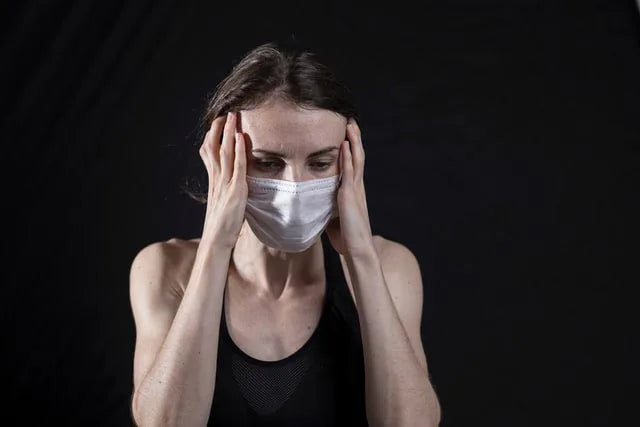
Lack of sleep can create problems for your body, exposing you to the risk of more easily contracting cardiovascular, lung, and nervous system diseases, but most importantly, it compromises the functionality and effectiveness of the immune system.
Well yes, there are correlations between sleep and the immune system.
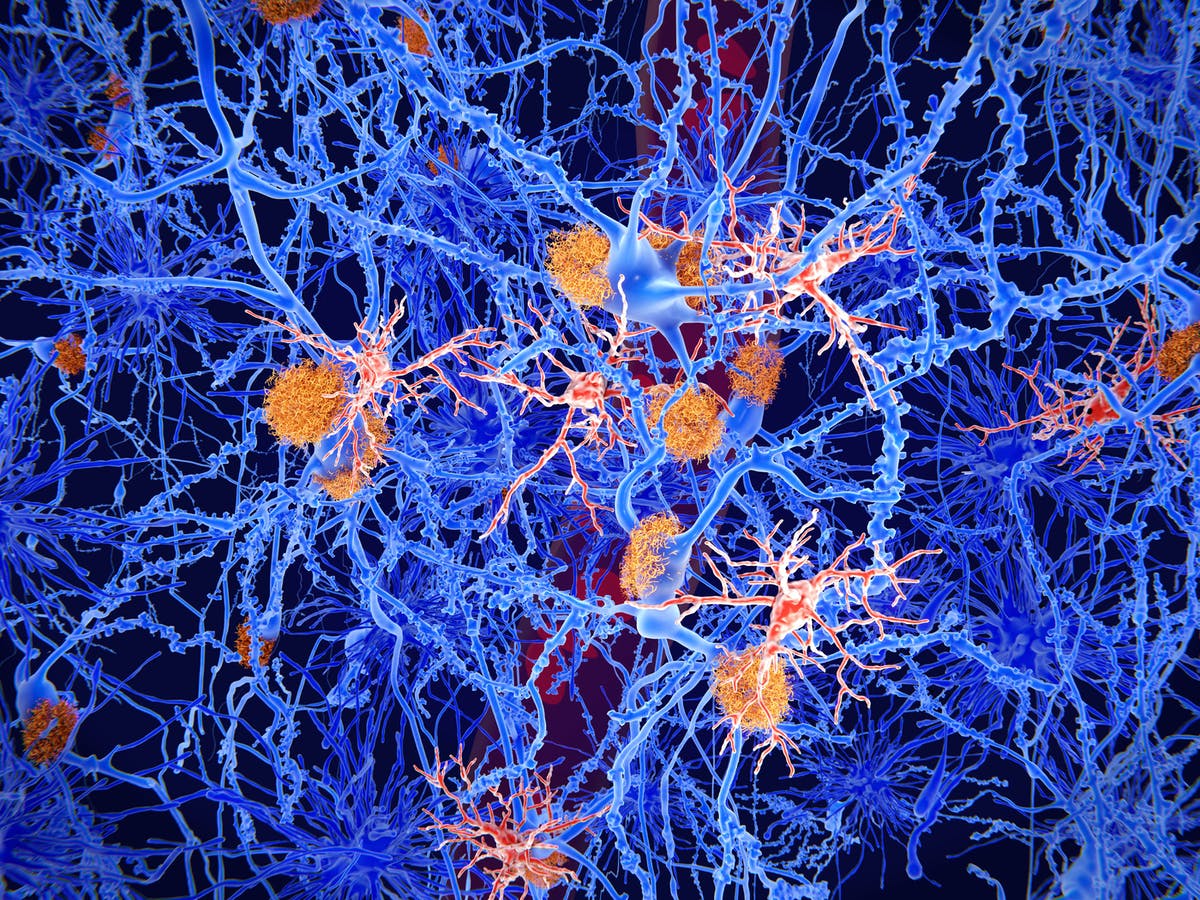
Microglia
For years, researchers have been trying to understand what kind of correlation there was, and finally a very recent discovery published in the journal “Glia” sheds light on a phenomenon that is still largely mysterious.
Coordinated by the Department of Physiology and Pharmacology at Sapienza University of Rome, the research demonstrated for the first time the role played by the brain's sentinel cells—called microglia —in regulating sleep. These cells are the central nervous system's first line of immune defense.
Now it has been discovered that, thanks to their interaction with nerve cells, microglia also help regulate sleep duration.
Sleep is also regulated by the immune system – Biotech – ANSA.it
But first, you need to know that besides sleep, there is another danger that threatens your immune system every day.
Which?
Your lifestyle!
It's very insidious, it hides, you can't see it, you don't take it into consideration, it's obvious, it's completely normal, because it's your daily life.
You get used to living exhausting, exhausting days, full of stress and anxiety , allowing yourself little breaks to catch your breath because you just can't stop.
This is a bit of the lifestyle these days, hyper-accelerated , we are forced to do 1000 things a day, we get to the evening practically destroyed, feeling as if a bulldozer had run over us.

For years, researchers have been trying to understand what kind of correlation there was, and finally a very recent discovery published in the journal “Glia” sheds light on a phenomenon that is still largely mysterious.
Coordinated by the Department of Physiology and Pharmacology at Sapienza University of Rome, the research demonstrated for the first time the role played by the brain's sentinel cells—called microglia —in regulating sleep. These cells are the central nervous system's first line of immune defense.
Now it has been discovered that, thanks to their interaction with nerve cells, microglia also help regulate sleep duration.
Sleep is also regulated by the immune system – Biotech – ANSA.it
Thanks to this discovery, the importance of good “quality” sleep is much clearer.
But what does “quality sleep” mean?
- This means that when you wake up you should feel rested and not tired, and tend to have a positive mood.
- Feeling full of energy and ready to face a new day
- Have a clearer and more alert mind
If, however, you wake up feeling sleepier than you did when you went to bed, with a low mood and feeling drowsy throughout the day, you might consider changing your nighttime routine to get quality sleep.
In the following lines you can read some advice and what the false myths about sleep are.
But first, you need to know that besides sleep, there is another danger that threatens your immune system every day.
Which?
Your lifestyle!
It's very insidious, it hides, you can't see it, you don't take it into consideration, it's obvious, it's completely normal, because it's your daily life.
You get used to living exhausting, exhausting days, full of stress and anxiety , allowing yourself little breaks to catch your breath because you just can't stop.
This is a bit of the lifestyle these days, hyper-accelerated , we are forced to do 1000 things a day, we get to the evening practically destroyed, feeling as if a bulldozer had run over us.
Beyond lifestyle, you must take into account that every day , without realizing it, you are continuously subjected to continuous and dangerous external attacks:
- Environmental pollution (polluted factories, water and air)
- Incorrect nutrition
- Cigarette smoke
- Exhausting pace of life
- Inappropriate diet
- Excessive long-term alcohol consumption
- Excessive use of medicines such as antibiotics
After a tiring day, finally the evening arrives. You think you're resting well, you think a good night's sleep will do nothing but rejuvenate you. But often, due to the adrenaline rush and the fatigue accumulated during the day, you crawl into your cozy bed and go to sleep, hoping to recharge your batteries. But you can't relax, much less sleep well.
Why?
Simple: because stress, anxiety, and adrenaline built up during the day are the worst enemies of good sleep.
All factors that weaken your immune system.
Let's see how insomnia can manifest itself.
There are 3 different types of insomnia based on when it occurs during the sleep cycle.

1- Difficulty falling asleep (initial insomnia): People usually have trouble falling asleep when they can't relax their mind and are constantly thinking and worrying. Sometimes the body isn't ready for sleep at the time usually considered normal for sleep.
That is, the body's internal clock is out of sync with the earth's light/dark cycle, as occurs in many types of circadian rhythm sleep disorders, such as delayed sleep phase disorder, shift work disorder, and jet lag syndrome.
2- Difficulty staying asleep and waking up earlier than desired (sleep maintenance insomnia): Those who suffer from this type of insomnia fall asleep normally, but wake up after a few hours and can't easily fall back asleep. They may drift in and out of insufficient, restful sleep. Sleep maintenance insomnia is more common in older people, who have greater difficulty staying asleep than younger people.
It can occur in people who abuse coffee, alcohol, or tobacco, or who take certain medications, and in those with certain sleep disorders (such as sleep apnea or periodic limb movement disorder). This type of insomnia can be a sign of depression in people of any age.
3 – Psychophysiological insomnia : when you worry excessively about the causes of your insomnia and consequently can't sleep well. It's a vicious cycle.
As promised, we'll now list some quick and easy tips that can improve the quality of your night's sleep.
As promised, we'll now list some quick and easy tips that can improve the quality of your night's sleep.
To help you sleep better you could:
- Reduce external noise
- Avoid checking social media or your phone (the blue light from screens doesn't help you sleep well)
- Opt for a good read
- Meditate and do yoga
- Exercising during the day helps you sleep better at night.

We have come to the moment to debunk several myths that have developed over the years about sleep and have become firmly rooted in popular belief.
1) Sleep eight hours a night:
The National Sleep Foundation recently published research confirming that there is no standard number of hours of sleep for everyone. Sleep hours vary based on age, circadian rhythms, lifestyle, and health.
The eight hours is a generic recommendation; there is no scientific data to support this thesis.
2) Get your body used to sleeping less to perform better
Sleeping is not a waste of time; choosing to sleep less has no benefit in terms of performance, on the contrary.
To improve our performance, we need to focus on getting better sleep. Sleep deprivation can put you at risk for heart disease, depression, diabetes, and even obesity.
3) Sleeping more means sleeping better and being more rested.
Nothing could be more wrong. On the contrary, some studies have shown that sleeping more than eight hours promotes lethargy. To be drastic, excessive sleep is even recognized as a disease.
4) Going to sleep before midnight means sleeping better
No. It's not the quantity, but the quality of sleep that matters. The deepest stage occurs during the first third of the night, that is, in the hours just before midnight, while in the hours that follow, sleep is more easily disturbed.
What can reach out to you?
In addition to these sleep tips, to improve your immune health it would be ideal to change your lifestyle, that is, reduce the hectic pace of your daily life, stress and anxiety, but it is quite obvious that you are extremely limited in doing so, because, as previously mentioned, unfortunately this is the standard of living these days.
We are forced to live frenetically, to do, run and chase, so as not to get to the end of the day with feelings of guilt that oppress us.
In this case, when you're unable to change your routine, you necessarily need external support, support that prevents your immune defenses from weakening and leaving you exposed to attacks from viruses and bacteria and at the same time can guarantee you deep relaxation in the evening, both physically and mentally.
This is because the well-being of the immune system also depends on an optimal psychophysical state.
In these cases, the support that Mother Nature provides us is fundamental.
Nature is an open-air pharmacy, it offers us truly everything. We must have the knowledge, respect, and right approach to find the ideal remedy for our needs.
Among the most powerful remedies that Mother Nature offers us to support the body's natural defenses and promote relaxation and mental well-being are:
ACEROLA
19th-century sailors always carried a large supply of it in their holds to cure scurvy.
It's the queen of vitamin C , containing some of the highest amounts in nature—50 times more than an orange. Hence its key role in fighting seasonal ailments: in particular, acerola is a precious ally of the immune system, stimulating it by enhancing the action of antibodies, thus preventing fever, colds, flu, and infections.
Thanks to acerola, you can:
- Have stronger immune defenses
- Greater physical and mental endurance and energy
- Facilitate iron absorption
- Fight oxidative stress and the dangerous damage caused by free radicals
In addition to the high quantity of vitamin C , acerola contains provitamin A, a good quantity of vitamins B1, B2, B3, B5, B6 and various mineral salts:
The high antioxidant content also helps regulate blood glucose levels and avoid oxidative stress that damages the cardiovascular system.
Acerola is therefore both an effective enemy of diabetes and an important friend of heart health.
Why is natural Vitamin C better than synthetic Vitamin C?
Because it has greater bioavailability. This means that the body is better able to absorb and utilize natural vitamin C than synthetic vitamin C.
This is due to the presence within the acerola fruit of precious biologically active substances such as bioflavonoids which promote, complement and enhance the action of the vitamin itself.
Vitamin C facilitates the intestinal absorption of calcium, making it essential for growing children and, in old age, to slow down physiological bone deterioration.
It is essential for the synthesis of collagen, a very important protein for bones , cartilage, skin, blood vessels and teeth.
It is therefore useful in all disorders related to collagen loss (stomatitis, gingivitis, skin aging).
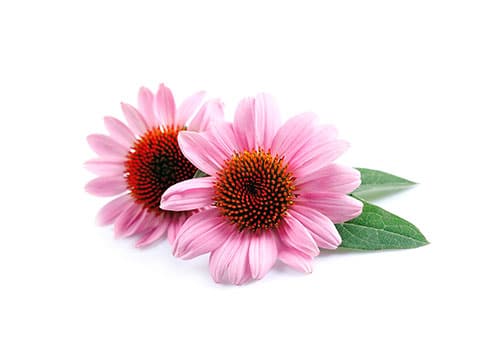
ECHINACEA
Its secret lies in the root which contains polysaccharides, which give the plant immunostimulant properties , for this reason it is used in phytotherapy to promote natural defenses, as it stimulates the immune system , thus supporting the body against infectious attacks.
The great interest in the properties of echinacea derives from its ability, confirmed by numerous studies (including those by Professor Ronald Eccles, director of the Common Cold Centre at Cardiff University, and researchers at the University of Connecticut School of Pharmacy, led by Dr. Craig Coleman), to strengthen the immune system, stimulating both the efficiency and the number of some of its precious fundamental elements such as antibodies, T lymphocytes and macrophages, true soldiers against infections.
Echinacea has been studied all over the world , from Germany to the United Kingdom to North America, and all studies have confirmed its exceptional immunostimulatory properties.
For centuries, it has been used by Native Americans, who prepared infusions to treat coughs, colds, and sore throats. It was also used externally for wounds and burns.
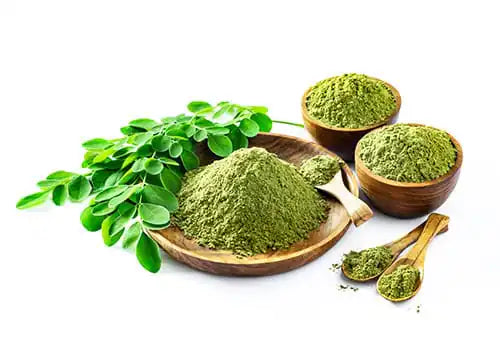
MORINGA
It is the herbal remedy of the moment, it contains:
- Vegetable proteins
- Antioxidants
- Essential amino acids
- Vitamin A, Vitamin C and B vitamins
- Calcium, iron and potassium
- Magnesium, Phosphorus, Sodium, Zinc
Moringa has always been used in Indian folk medicine and in the traditional medicines of the countries where this tree usually grows (such as Asia, South America, Africa, the Caribbean, some countries in Oceania, etc.). It is often called the “miracle tree” or “miracle tree” because it is able to prevent and treat many ailments.
Given its great richness in vitamins, mineral salts and amino acids, moringa can be useful for activating or strengthening the immune system , an excellent energizer , essential in moments of particular physical tiredness, during convalescence and in all those situations of increased mental stress.
In countries where moringa occurs naturally, it is a source of maternal and child nutrition, and a family medicine .
In some poor countries, moringa leaves have been proposed as a food to combat malnutrition, especially in children.

ALOE ARBORESCENS
The recognized and scientifically demonstrated immunostimulant property of Aloe is due to the presence of active ingredients that contribute to strengthening the immune system, one above all is acemannan .
[12] Marshall, GD, Druck, JP, 1993. In vitro stimulation of NK activity by acemannan
– It plays an important role in the gastrointestinal system and strengthens the immune system. It produces an immune response that stimulates cells to defend against external attacks from various factors, such as viruses, bacteria, and seasonal allergies.
Furthermore, thanks to the presence of precious vitamins and minerals such as manganese and copper, phenolic molecules perform powerful antioxidant actions capable of neutralizing the numerous free radicals that cause degenerative diseases.
Thanks to Aloe, your immune system will immediately be stronger and therefore able to defend you from external threats.
A study (Effect of Aloe vera preparations on the human bioavailability of vitamins C and E) shows us that Aloe improves the absorption of vitamins C and E. Absorption is slower and the vitamins last longer in the plasma with Aloe.
It is the only known natural remedy capable of increasing the absorption of both of these vitamins and should be considered as a complement to them.
It has a synergistic effect on any primary therapy: it facilitates the action of remedies or drugs associated with it.
Furthermore, aloe arborescens is rich in phenylalanine , an amino acid essential for regulating sleep, mood, and satiety. This molecule is also used with excellent results to treat anxiety and depression.
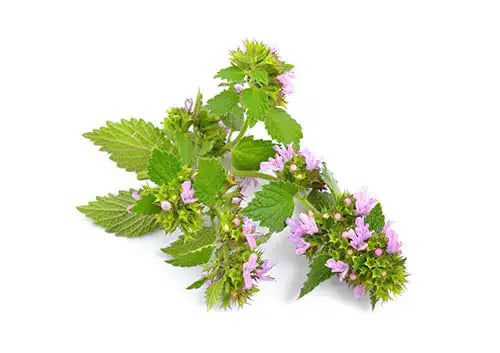
MELISSA
Used for centuries in phytotherapy, its fantastic properties for memory and as a sedative are now confirmed by science.
Rich in flavonoids (quercetin, apigenin), caffeic and chlorogenic acid derivatives, rosmarinic acid, triterpenes, glycosides, polysaccharides, mucilages, and essential oils, modern phytotherapy considers it the best herbal remedy for gastrointestinal somatizations of nervous origin, for its excellent anxiolytic action and for its ability to strongly relax the smooth muscles of the abdominal organs and rebalance the autonomic nervous system, so much so that it is defined as the "vegetal Valium."
Lemon balm's most famous characteristic is its effectiveness in combating anxiety. The plant's calming properties reside essentially in its key component, kaempferol, which acts as an anxiolytic on the central nervous system and protects brain cells from aging.
Lemon balm contains molecules such as citronellal, citral, linalool, geraniol, and essential oils that exert a calming and antispasmodic effect. For this reason, its use is fully approved for the treatment of agitation and to combat insomnia during periods of high stress or anxiety that interfere with sleep quality.
Descriptions of the use of lemon balm can be found in numerous ancient medical works; Galen and Paracelsus, for example, recommended its use in cases of severe mental stress.
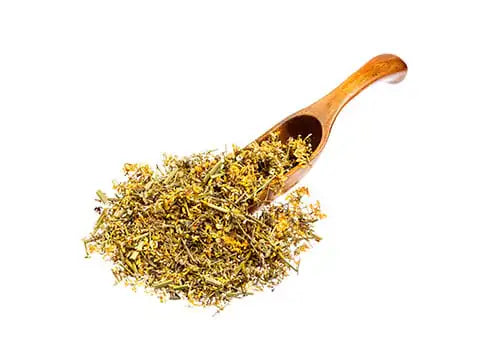
MELILOTUS
It improves blood circulation , useful for counteracting venous and lymphatic insufficiency and reduces the risk of arterial or venous clots forming, potentially capable of causing dangerous damage such as phlebitis, gangrene, stroke and heart attack.
Historically, sweet clover tea was used in folk medicine to promote sleep and combat stress and nervousness. Today, as then, it is possible to enjoy the calming properties of this natural wonder.
It can be used to relax the abdominal muscles (antispasmodic) if poor digestion is accompanied by other symptoms, such as headache, insomnia, and agitation.
Its valuable vasoprotective properties are useful in cases of edema, leg swelling, cellulite, water retention, and hemorrhoids. Beyond these benefits, it is also effective in combating insomnia caused by anxiety, excessive fatigue, headaches, and stomach cramps caused by nervousness.
Sweet clover is also useful for insomnia caused by agitation or excitability. Coumarins act on the central nervous system and help calm adrenaline rushes that build up throughout the day.
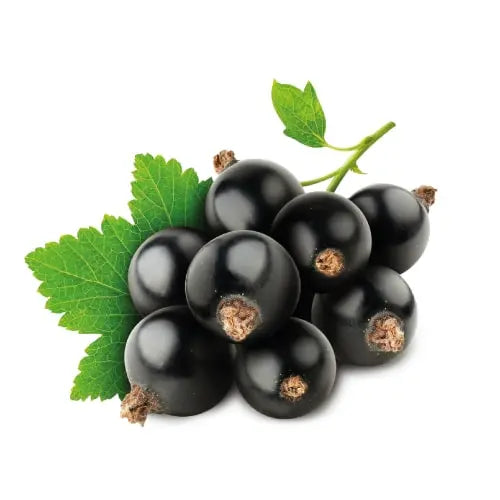
BLACKCURRANT
Blackcurrant is a panacea for headaches, stress, and inflammation. It's a valuable ally of the immune system, protecting against flu, allergies, colds, sore throats, bronchitis, and fevers. It helps clear the airways.
It supports the immune system to prevent flu-like illnesses and to have a speedy recovery;
Blackcurrant is called the King for the immeasurable benefits it brings to the mind !
A New Zealand study published in the Journal of Functional Foods found that blackcurrant extracts boost attention, improve memory, and reduce mental fatigue.
These benefits are due to its richness in polyphenols and anthocyanins , two important antioxidants that preserve the proper functioning of the brain.
BLACKCURRANT IS AN ADAPTOGEN
The word “adaptogen” was coined by Russian professor Brekkman.
An adaptogenic plant responds to three conditions:
- It has no toxic effects and can be taken for a long period;
- Its action is non-specific: it increases the overall strength of the organism (it does not act on any particular organ);
- Its action is normalizing: it harmonizes all functions.
Furthermore, plant extracts are most useful when they work in combination, meaning that when used together, each one complements the other, creating a greater final effect than either component can achieve alone.
At this point, you may be wondering if there's a ready-made remedy that contains these extracts to boost your immune system and give you deep relaxation in the evening, both physically and mentally.
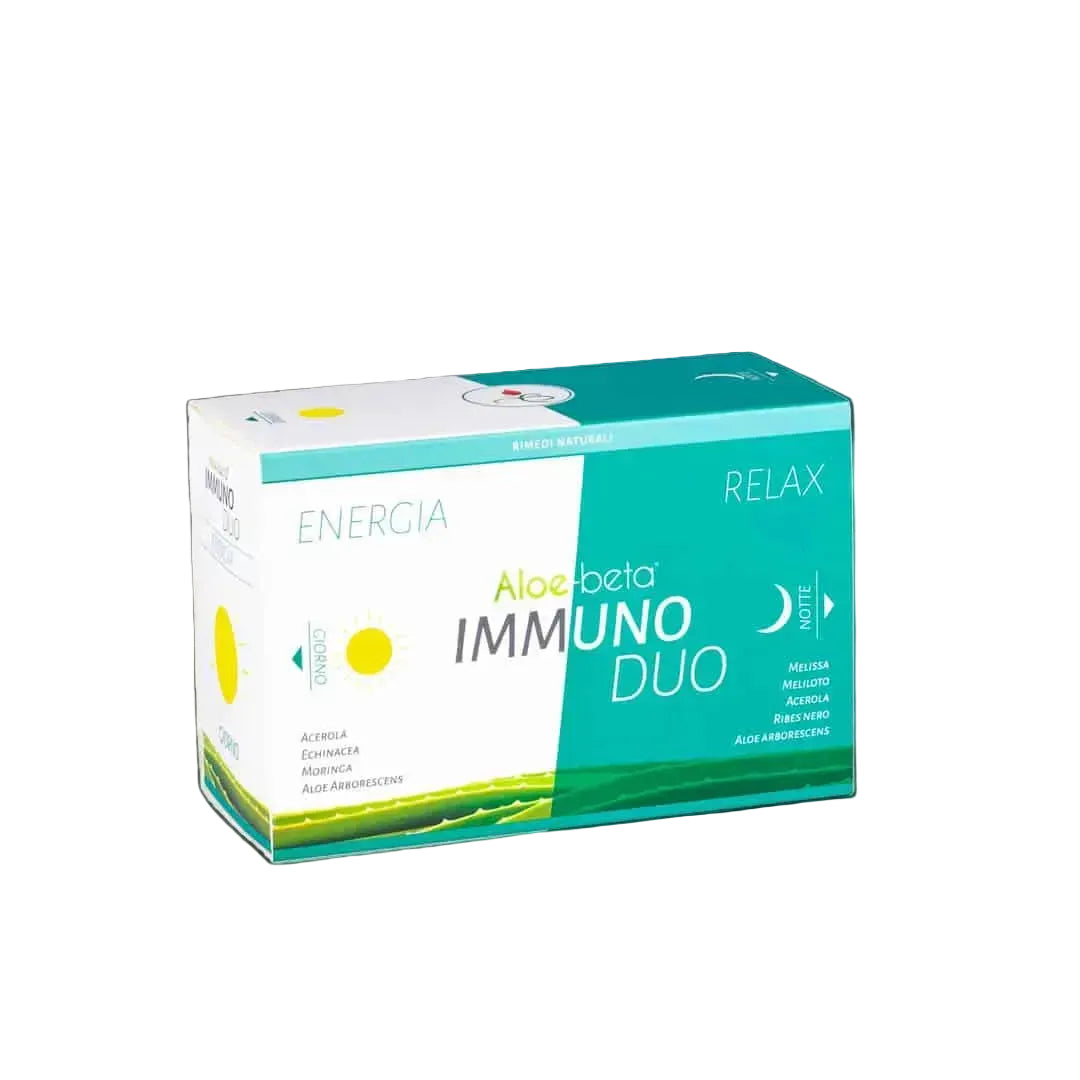
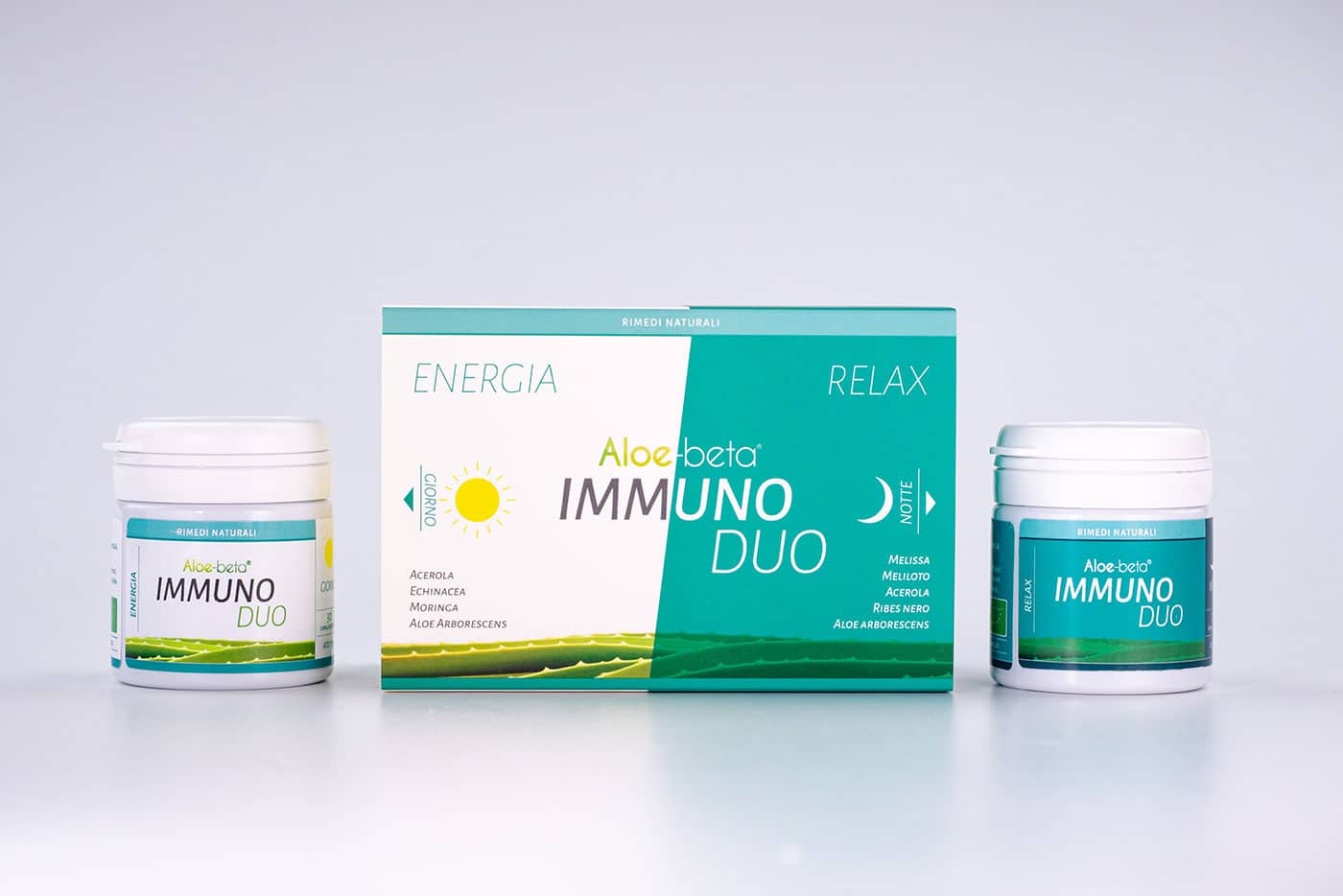


IMMUNO DUO is the first certified organic food supplement that, unlike the myriad of supplements that act exclusively to support the body's natural defenses, performs a DUAL ACTION.
1) DAY CAPSULE ☀️: Supports the body's natural defenses, has antioxidant and restorative properties. Promotes normal upper respiratory tract function and body weight balance.
2) NIGHT CAPSULE 🌙: Promotes relaxation, mental well-being, and helps restore normal mood. Antioxidant, supports the body's natural defenses.
A healthy immune system also depends on an optimal psychophysical state.

Do you need help?
Want to know which Abea Natura® products are best for you?
Our BEA assistant will guide you step by step through choosing the right product. If you have any further questions, you can contact us on WhatsApp.
I want assistance on WhatsApp