This article is based on scientific, university, and clinical trials. It is not intended to create false illusions and/or promise miraculous cures. Each body reacts differently, and therefore, results may vary from person to person. In any case, it is recommended to consult your doctor.
Aloe Arborescens, a prodigy of nature
The properties and benefits of the Aloe plant have been known since ancient times.
For over five millennia, aloe has been considered a kind of "natural healer"*. It played a key role in the pharmacology of many ancient civilizations, including the Egyptians, Assyrians, Indians, Mayans, and Romans. In 1862, George Ebers discovered one of the most detailed accounts of how much aloe had been known since ancient times, on an Egyptian papyrus dating back to 1500 BC. A series of formulas for its use (mixed with other natural products) were documented, as well as a list of the plant's countless properties for treating various ailments.
For Cleopatra, the use of Aloe combined with milk baths was prodigious for her beauty.
Plants of the genus Aloe

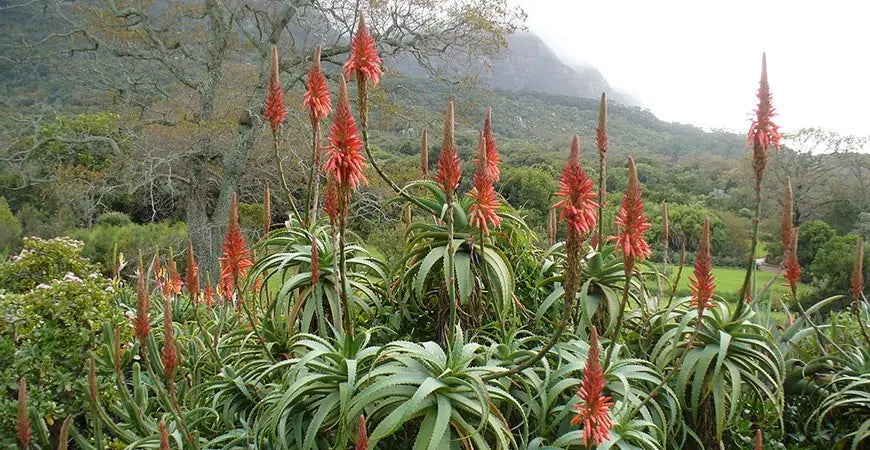
Aloe is a perennial succulent plant belonging to the Aloaceae family. Found virtually worldwide, it prefers warm, dry climates. In Italy, the plant is widespread along the coasts and always in areas where temperatures never drop below freezing. There are several hundred species, but the best-known and most studied are Aloe Vera (Aloe Barbadensis) and Aloe Arborescens.
Aloe arborescens has smaller leaves than Aloe Vera, a smaller amount of internal gel, but a higher concentration of active ingredients. This makes it superior to Aloe Vera in terms of therapeutic properties, but it is less commonly used because its lower production yield makes it significantly more expensive.
Main components [2]*
Aloe Arborescens contains the following elements in its entirety, pulp and cuticle:
Carbohydrates
The most important polysaccharide, not only from a quantitative point of view, but above all from that of phytotherapeutic activity, is acemannan, as it stimulates the functions of the immune system.
Vitamins and minerals
Vitamin A, E, C, B1, B2, B3, B6, B12, Folic acid, Calcium, Magnesium, Sodium, Potassium, Chromium, Iron, Manganese, Zinc.
Amino acids and enzymes
It contains 20 essential amino acids for humans, specifically tryptophan, phenylalanine, serine, and histidine. The presence of these four amino acids in significantly higher quantities than those observed in aloe vera would explain why aloe arborescens exhibits greater analgesic activity.
Anthraquinones
Phenolic compounds that produce laxative and antimicrobial effects, promoting the absorption of substances in the intestinal tract. Aloin is noteworthy for its antitumor properties.
Acetylsalicylic acid
Better known as Aspirin, it is known for its protective properties of the heart muscle and vascular system.
CHRISTOPHER COLUMBUS:
Four plants are essential to human life: wheat, vine, olive, and aloe. The first nourishes us, the second gladdens our hearts, the third harmonizes us, and the fourth heals us.
Properties and benefits of the Aloe plant

Recognized antioxidant properties [1]*
Vitamins B2, C, and E, the minerals (manganese and copper), and the anthraquinone and phenolic molecules present in Aloe Arborescens, perform powerful antioxidant actions capable of neutralizing the numerous free radicals that cause degenerative diseases and mutations in general and lead to the onset of aging processes and precancerous conditions.
Manganese and copper have antioxidant and anti-aging effects on the entire body, especially the skin.
Vitamin B2 has a similar effect, but with different mechanisms.
Vitamin C is a typical antioxidant of the intracellular environment (especially of white blood cells)
Vitamin E performs the same function as vitamin C, but at the level of the lipids of the cell membrane.
Peculiar anti-aging properties [2]*
Aloe Arborescens has a truly rejuvenating effect on the individual's appearance. One primary reason for this effect has been identified in the plant's ability to increase fibroblast production six to eightfold.
Fibroblasts are cells located in the dermis responsible for the production of collagen, a supportive protein that makes the skin elastic and firm.
During the aging process, fibroblasts slow down their production of collagen, both qualitatively and quantitatively, and as a result, the skin loses elasticity, becomes dry and scaly, and wrinkles become evident.
Aloe helps you by increasing the activity of fibroblasts, which consequently also increases collagen.
The final result?
The skin's aging process slows down and at the same time it will be more hydrated, more elastic and firmer, reorganizing the normal structure of the skin itself and reducing wrinkles.
Clear antibacterial, antifungal and antiviral properties [3]*
Each of these properties is performed by specific molecules present in Aloe Arborescens.
Cinnamic acid and chrysophanic acid counteract the growth of bacteria and fungi. Chrysophanic acid, in particular, acts on fungi that can invade the intestine; in addition to its fungicidal properties, it also has laxative and cleansing effects, effectively removing toxic waste from the intestine.
Aloetic acid and aloins, along with acemannan, have antibiotic properties. The coordinated and synergistic action of these specific molecules, particularly abundant in Aloe Arborescens, enhances the final effect by helping to strengthen the immune system.
Specific anti-inflammatory and pain-relieving properties [4]*
These two properties are the most well-known and appreciated phytotherapeutic characteristics of Aloe Arborescens. Its calming and soothing action on tissues is similar to that of synthetic steroid drugs, but without the side effects typical of these medications.
We identify the anti-inflammatory components of Aloe Arborescens in 3 plant steroid molecules:
1) The Campesterolo
2) b-sitosterol
3) The Luteol
In addition to these molecules, acemannan and bradykinase also contribute to the anti-inflammatory effect. This intense anti-inflammatory activity also has a soothing and pain-relieving effect.
Characteristic healing properties and stimulation of epithelial growth (cell regeneration) [5]*
Since the time of Alexander the Great, aloe has been used to treat wounds and burns of various kinds. Its wound-healing properties appear to complement and correlate with the plant's anti-inflammatory properties.
Aloe participates in the wound healing process through 2 components:
1) The high molecular weight component of acemannans
2) The low molecular weight component of anthraquinones
In particular, a recent experiment by the Federico II University of Naples , carried out with the Aloe Arborescens extract obtained with our exclusive method of processing the whole leaf, promotes cell regeneration.
Surprising immunomodulatory and immunostimulatory properties [6]*
Acemannan is a powerful immune system stimulant. It works by stimulating and promoting the release of substances that enhance the immune system. Thanks to the action of polysaccharides, the skin's immune system is also strengthened, thus protecting it from damage caused by ultraviolet rays.
The extraordinary actions of acemannan and polysaccharides lead to the strengthening and modulation of the immune system.
Gastrointestinal tonic and gastroprotective activity [7]*
Aloe Arborescens normalizes the structure and function of the gastrointestinal wall. It improves intestinal bacterial flora, reduces abdominal spasms, and promotes the improvement of gastritis, ulcers (peptic and duodenal), and irritable bowel syndrome. These properties are attributed to its ability to coat and protect the stomach lining.
Unique hypoglycemic properties[8]*
Numerous trials have demonstrated a significant hypoglycemic effect of Aloe, both in subjects with diabetes mellitus and in patients with insulin-dependent diabetes. This effect is due to the presence of Erborano A and B, two fractions of acemannan that have proven particularly effective in drastically lowering fasting blood sugar levels. In addition to lowering blood sugar levels, administering Aloe Arborescens to diabetic patients can resolve the skin ulcers often associated with diabetes.
Antitumor drugs [9]*
Numerous studies have demonstrated the properties and benefits of the Aloe plant, as well as its therapeutic potential in inhibiting the growth of cancer cells. In particular, a recent trial at the Federico II University of Naples , conducted with Aloe Arborescens extract obtained using our exclusive whole-leaf processing method, demonstrated a clear antiproliferative effect on skin cancer cells.
Also well known are the history and preparation of Aloe Arborescens by Father Romano Zago magnificently narrated in the books:
“Cancer Can Be Cured” which you can find here:
“Aloe is not a medicine, yet it heals” which you can find here:
Prof. Paolo Lissoni, Oncologist at the San Gerardo Hospital in Monza, conducted a trial on 240 patients affected by cancer, treated with and without Aloe Arborescens, => click here to read the results of the trial <=
The active ingredients contained in Aloe Arborescens, if used correctly, have a healthy effect on the entire organism.
Let's start by analyzing the beneficial effects on the digestive system [10]*.
Stomach:
The presence of mucopolysaccharides, very rich in Aloe Arborescens, allows for the development of:
– Effective protection of the stomach mucosa from the high acidity of gastric juice.
– It also inhibits the growth of Helicobacter pylori.
– An action with a soothing effect on gastritis and esophagitis.
Intestine:
The properties of Aloe Arborescens for the intestine are a godsend, in fact they constitute an excellent remedy against:
– Intestinal laziness and constipation, increasing intestinal peristalsis and having a purifying, liberating effect thanks to the presence of anthraquinones.
– Diarrhea: Contrary to popular belief, aloe vera can resolve this condition thanks to its antibacterial and antiseptic active ingredients, restoring stomach function.
How is it possible that aloe juice is excellent for both constipation and diarrhea? Because it contains active ingredients that are useful for combating both conditions, this is one of the most fascinating characteristics of herbal medicine.
Having analyzed the digestive system, let's move on to listing the beneficial effects of Aloe on the cardiovascular system [11]*:
Taking Aloe (it is recommended to always take extracts made with Aloe Arborescens, as it has a higher concentration of active ingredients than the more common Aloe Vera. To find out why Aloe Vera is good, but Aloe Arborescens is better, just click here ) allows you to obtain enormous benefits for the cardiovascular system.
The particular composition of Aloe Arborescens, which contains high quantities of dietary fiber, vitamins, antioxidant compounds, polyunsaturated fatty acids and trace elements, is useful for effectively preventing and improving the optimal ratio between HDL and LDL cholesterol, counteracting dangerous fatty deposits in the arteries.
The final effect is that of a purification with elimination of toxins, moreover Father Romano Zago, the main popularizer in the world of the recipe for the Aloe Arborescens juice preparation, states that:
“This remedy acts like a broom to clean the blood thoroughly”
It's the perfect way to reboot your body and start improving your overall health.
Benefits on the immune system [12]*:
The recognized and scientifically demonstrated immunostimulating and immunomodulating properties of Aloe are due to the presence of active ingredients that help strengthen the immune system, one above all being acemannan.
– It is the progenitor of carbohydrates, plays an important role in the gastrointestinal system and strengthens the immune system . It produces an immune response that stimulates cells against external attacks from various factors such as viruses, bacteria, and seasonal allergies.
A complete and detailed list of all the active ingredients present in Aloe juice that help strengthen the immune system can be found here.
By taking Aloe, your immune system will immediately be stronger and therefore able to defend you from external threats.
The benefits of Aloe on the respiratory system [13]*
Thanks to the germicidal action of some anthraquinones, combined with the soothing and healing action of mucopolysaccharides and plant sterols, Aloe proves to be a highly effective remedy against allergic rhinitis.
If you suffer from allergic rhinitis, we recommend taking Aloe before the spring season (January-February) and you will see that during the pollen season your discomfort will be drastically reduced.
NB: Don't use aloe vera if you already have rhinitis; in this case, the remedy won't work. You need to take preventative action.
The antitumor action of Aloe Arborescens [14]*
It is also used to counteract physical weakening caused by chemotherapy treatment.
Several scientific studies and research by oncologists have been conducted that demonstrate the anti-tumor properties of Aloe.
To read and learn more about the topic click here .
We can conclude by stating that aloe has excellent detoxifying and purifying properties, promoting liver, kidney, and overall body function. A body free of accumulated toxins caused by psychophysical stress, environmental pollution, poor nutrition, a hectic lifestyle, an inappropriate diet, and lack of sleep is certainly better able to defend itself and maintain overall good health, better preserving both its body's defenses and its cellular and tissue repair mechanisms.
Cosmetic properties of Aloe Arborescens

The extract applied locally is particularly effective because the active substances, rather than remaining on the surface, penetrate the skin tissue thanks to the presence of lignin .
– Greater hydration of the skin thanks to polysaccharides;
– Increased collagen and elastin deposition, due to the stimulation of dermal fibroblasts. This provides the ability to reduce the tendency of aging skin to wrinkle;
– Reduced skin pigmentation and therefore a reduction in skin blemishes;
– A strengthening of the skin's immune system.
MAHATMA GANDHI:
You ask me what is the secret of the strength that sustained me during my long fasts; well it was my intoxicating faith in God, my simple and frugal life and aloe, the benefits of which I discovered as soon as I arrived in South Africa in the last years of the century.
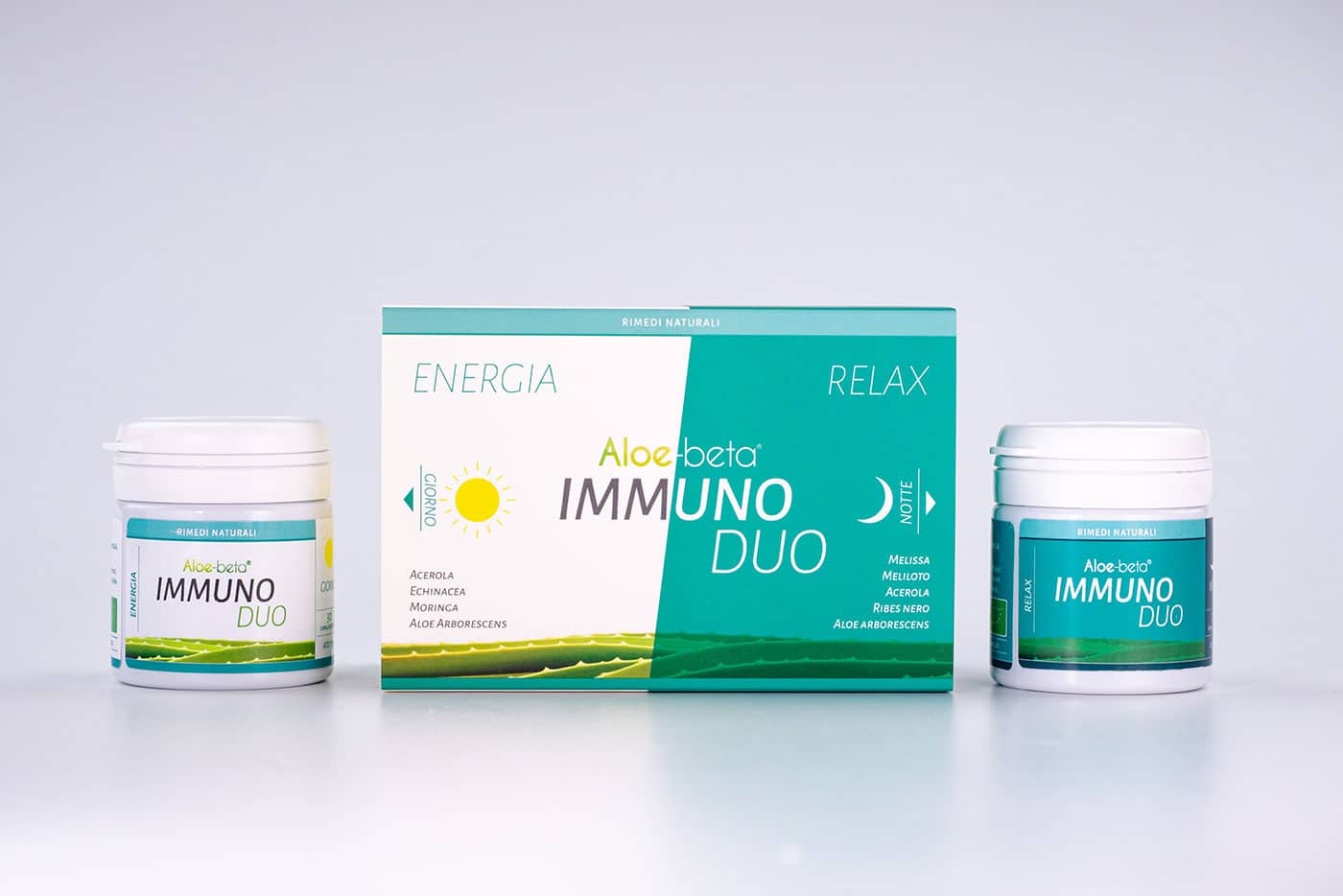
To benefit from the over 300 active ingredients present in Aloe, we have specifically created Aloe Arborescens capsules .
With a simple gesture and immediately benefit from all the properties of Aloe in the most natural way possible.
To learn more and to discover the enormous benefits obtained by those who use them >>CLICK HERE<<